If optics is the hardware foundation, computational photography is the architectural design. Because smartphones cannot physically accommodate massive lenses, they compensate by using specialized neural processing units (NPUs) to interpret, merge, and rebuild light data at blinding speeds.
Multi-Frame Processing
When you press the shutter on a modern smartphone, you are rarely taking one photo. The camera constantly buffers frames in memory. The instant the shutter fires, the Image Signal Processor (ISP) fuses up to 9 separate frames—some underexposed for highlights, some overexposed for shadows—into a single, perfectly balanced HDR composite.
Semantic Segmentation
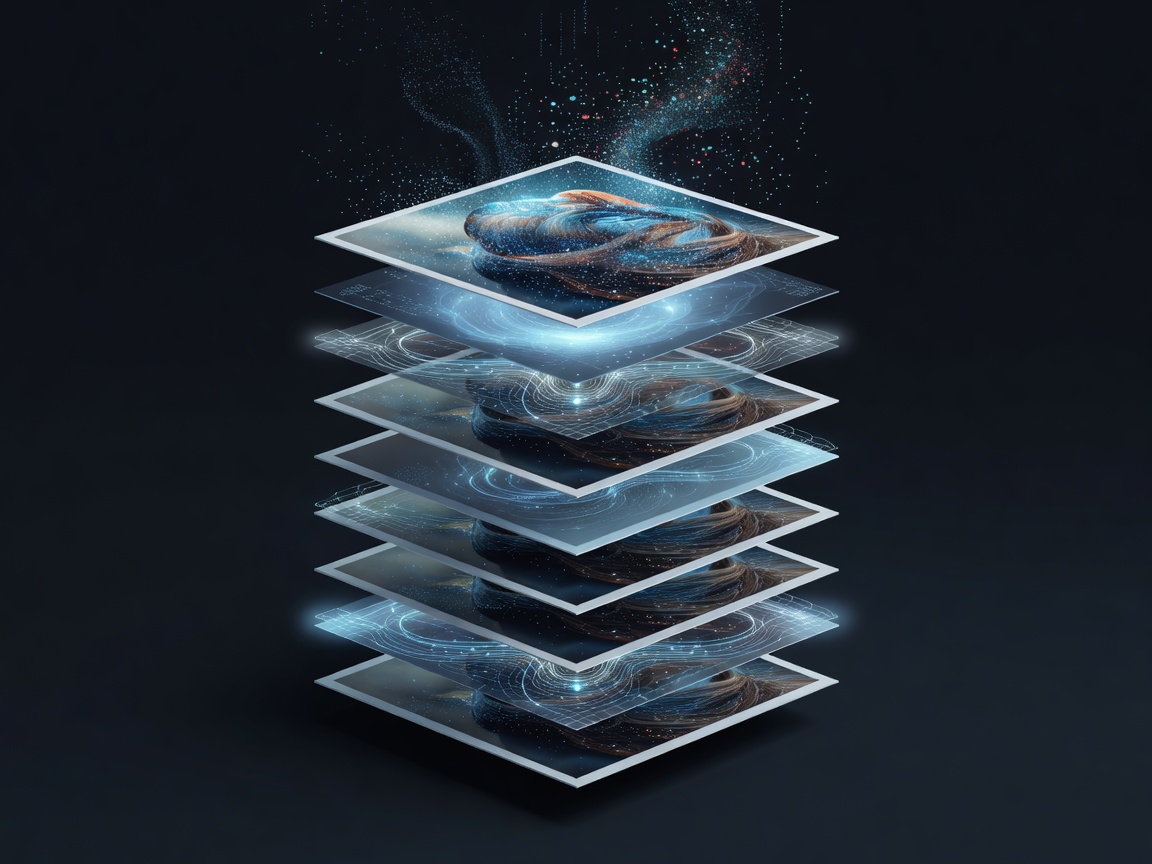
This is where AI takes over. Advanced image processors can analyze a scene in real-time and separate it into categorical layers: sky, foliage, skin, clothing, and architecture.
Instead of applying a global color correction, the software selectively processes the image: sharpening the architecture, smoothing the skin, boosting the greens in the foliage, and recovering the blues in the sky. It treats the photograph not as a flat canvas, but as a three-dimensional diorama of discrete objects.
The Portrait Mode Illusion
True optical bokeh requires physical distance and large glass. Portrait modes simulate this by generating a depth map (often assisted by LiDAR or dual-pixel autofocus sensors) to isolate the subject, applying an algorithmic blur to the background that mimics the fall-off of a professional f/1.2 lens.