The shift in mobile videography over the past five years has been characterized not by resolution bumps (we plateaued at 4K/8K), but by data density. It is the evolution of color science, bit-depth, and professional recording profiles that has turned smartphones into viable B-cams for cinematic productions.
10-Bit Color and HDR
Standard video is 8-bit, capable of displaying 16.7 million colors. High-end devices now record in 10-bit color, expanding that palette to over 1 billion colors. This eliminates the ugly "banding" seen in skies and smooth gradients, and provides the foundation for True HDR capture (Dolby Vision or HDR10+).
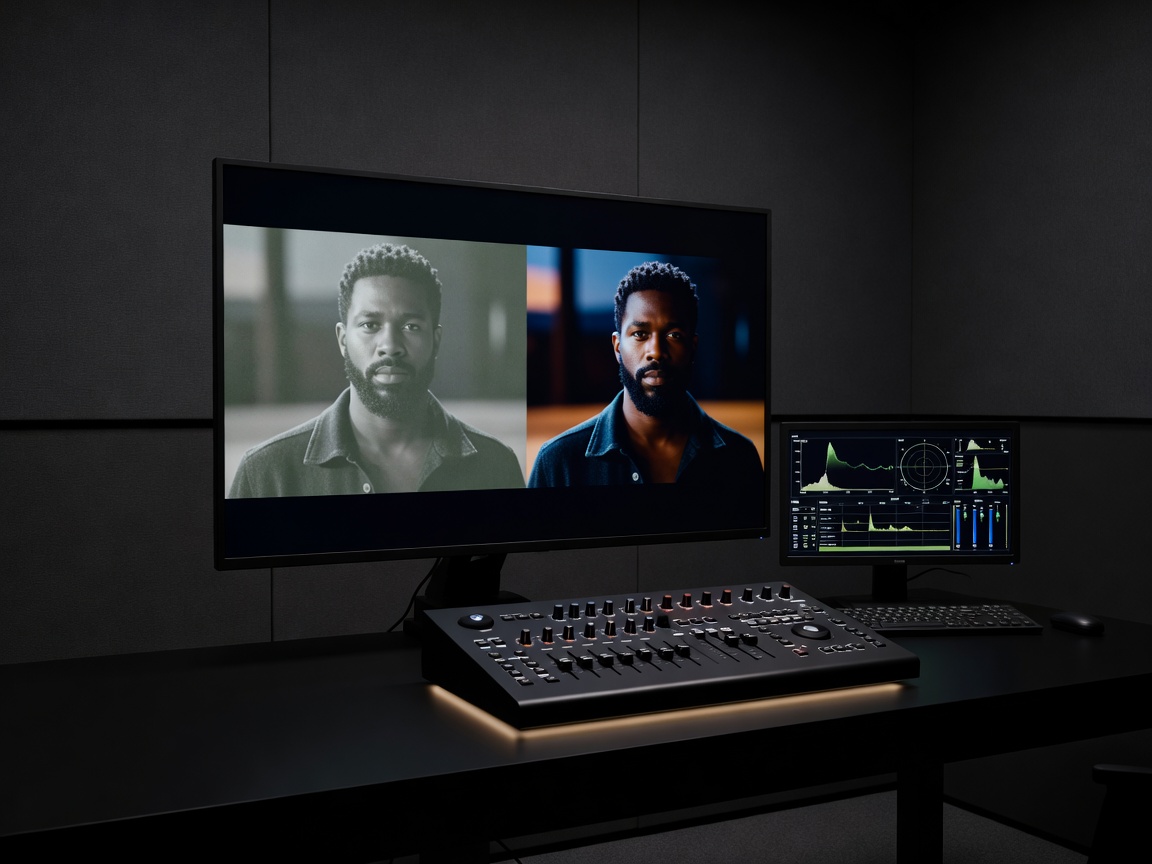
Apple ProRes & LOG Recording
Compression is the enemy of post-production. Standard HEVC/h.265 files bake in sharpening, contrast, and color, leaving no room for correction. The introduction of ProRes on mobile devices fundamentally changed the pipeline.
Coupled with LOG (Logarithmic) recording profiles, the camera intentionally captures a "flat", desaturated image. This preserves maximum dynamic range—saving details in extreme highlights and deep shadows—allowing professional colorists to apply custom LUTs (Look Up Tables) in software like DaVinci Resolve.
| Codec Type | Bit-Depth | Data Rate (Approx) | Post-Production Flexibility |
|---|---|---|---|
| H.264 (Standard) | 8-bit | 25 Mbps | Very Low |
| HEVC (H.265) | 10-bit (HDR) | 40 Mbps | Medium |
| ProRes 422 HQ | 10-bit | 730 Mbps | Exceptional |